


▼
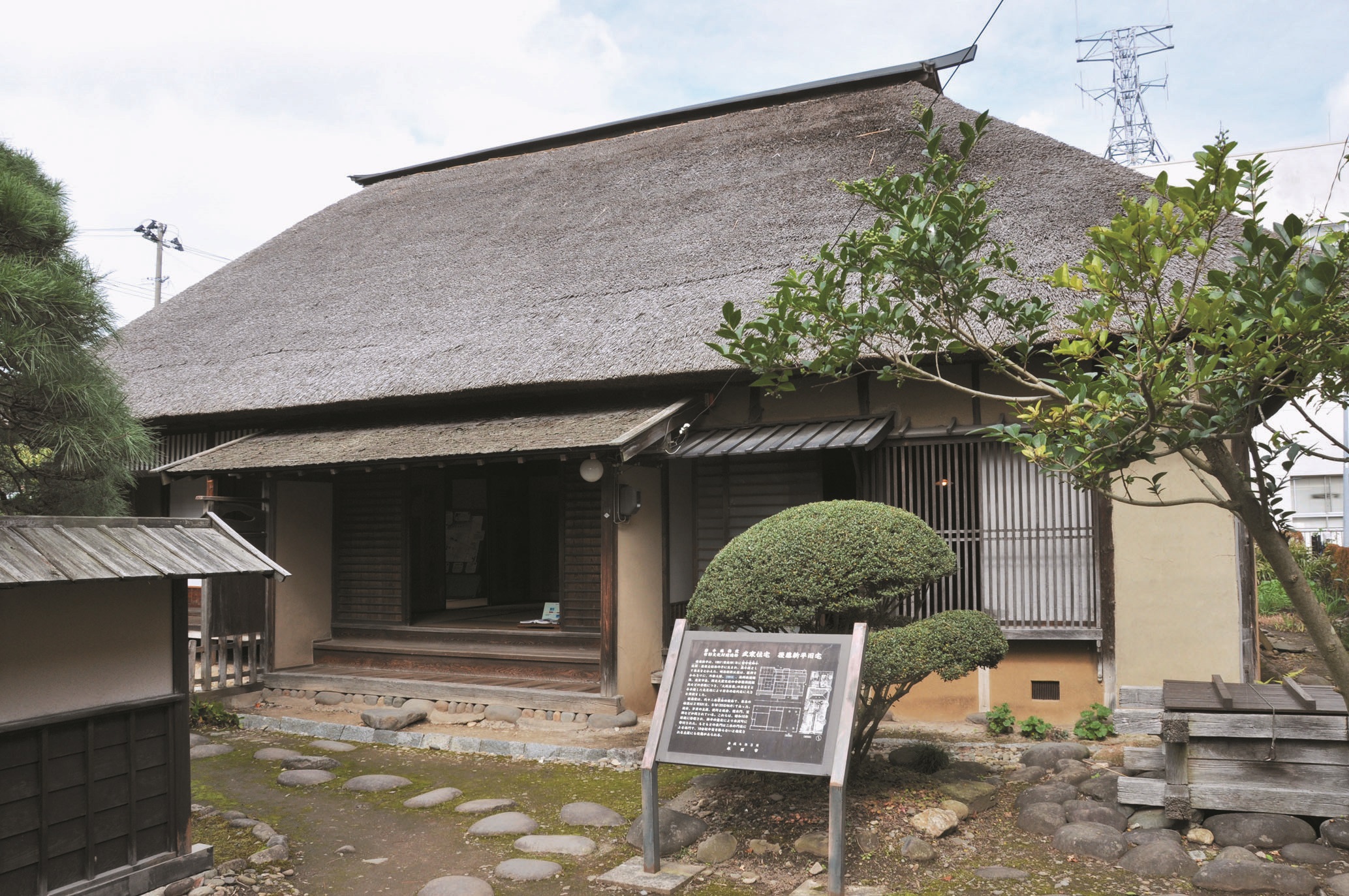
Former Residence of Shinpei Goto
This site is the birthplace of Shinpei Goto. The main house of this former residence was a simple residence built in the mid-18th century by Shinpei’s ancestor of four generations earlier, a vassal of the Mizusawa-Date clan. Subsequently, Shinpei’s grandfather expanded the site with a toilet and storage room and made renovations to the roof. Additionally, a new gate was erected to celebrate Shinpei’s birth. Shinpei’s father was also a samurai and operated a temple school. A sign in the main hall reads, “Honesty is the foundation; Proper manners; Get along with friends.”
Shinpei was born into the Goto family on 4 June 1857. In his early years, Shinpei was academically gifted but also mischievous, often getting scolded by his parents and being confined to a storage room.
At the age of 15, Shinpei enrolled in a medical school in Sukagawa City, Fukushima Prefecture. After graduating, he worked at the Aichi Prefectural Hospital and became the hospital director at the age of 24. Subsequently, after studying medicine in Germany, he became the director of the country’s medical bureau and helped establish healthcare systems before transitioning into politics.
He held numerous important positions, including the Minister of Civil Affairs in Taiwan, the first President of the South Manchuria Railway, the Minister of Communications, the first president of the Railway Bureau, the Minister of Home Affairs, the Minister of Foreign Affairs, and the Mayor of Tokyo. During his tenure as Mayor of Tokyo, he initiated an ambitious project aimed at modernizing Tokyo, which was known as the “Great Furoshiki.” This project had a budget of 800 million yen and was intended to transform Tokyo into a modern metropolis. Following the 1923 Great Kanto Earthquake, he served as both Minister of Home Affairs and President of the Imperial Capital Reconstruction Institute, taking charge of the reconstruction efforts.
The Imperial Capital Reconstruction Plan, which looked 100 years into the future, had an enormous budget, and it faced opposition from the political and business sectors. As a result, the plan was initially scaled down. Nevertheless, his foresight and efforts in creating modern Tokyo in just seven years earned him significant acclaim and recognition.
After retiring from his political career, Shinpei Goto became the first Chief Scout of the Boy Scouts of Japan (Scout Association of Japan) and served as the first President of the Tokyo Broadcasting Corporation (NHK). Shinpei imparted to the children of the nationwide Boy Scouts movement the three principles of self-governance he had followed since his youth: “Do not be a burden to others. Take care of others. And do not expect rewards.” These principles served as the path for the Boy Scouts. In April 1929, he suffered a third cerebral hemorrhage and passed away in a hospital in Kyoto.
Shinpei was born into the Goto family on 4 June 1857. In his early years, Shinpei was academically gifted but also mischievous, often getting scolded by his parents and being confined to a storage room.
At the age of 15, Shinpei enrolled in a medical school in Sukagawa City, Fukushima Prefecture. After graduating, he worked at the Aichi Prefectural Hospital and became the hospital director at the age of 24. Subsequently, after studying medicine in Germany, he became the director of the country’s medical bureau and helped establish healthcare systems before transitioning into politics.
He held numerous important positions, including the Minister of Civil Affairs in Taiwan, the first President of the South Manchuria Railway, the Minister of Communications, the first president of the Railway Bureau, the Minister of Home Affairs, the Minister of Foreign Affairs, and the Mayor of Tokyo. During his tenure as Mayor of Tokyo, he initiated an ambitious project aimed at modernizing Tokyo, which was known as the “Great Furoshiki.” This project had a budget of 800 million yen and was intended to transform Tokyo into a modern metropolis. Following the 1923 Great Kanto Earthquake, he served as both Minister of Home Affairs and President of the Imperial Capital Reconstruction Institute, taking charge of the reconstruction efforts.
The Imperial Capital Reconstruction Plan, which looked 100 years into the future, had an enormous budget, and it faced opposition from the political and business sectors. As a result, the plan was initially scaled down. Nevertheless, his foresight and efforts in creating modern Tokyo in just seven years earned him significant acclaim and recognition.
After retiring from his political career, Shinpei Goto became the first Chief Scout of the Boy Scouts of Japan (Scout Association of Japan) and served as the first President of the Tokyo Broadcasting Corporation (NHK). Shinpei imparted to the children of the nationwide Boy Scouts movement the three principles of self-governance he had followed since his youth: “Do not be a burden to others. Take care of others. And do not expect rewards.” These principles served as the path for the Boy Scouts. In April 1929, he suffered a third cerebral hemorrhage and passed away in a hospital in Kyoto.
Materials
-
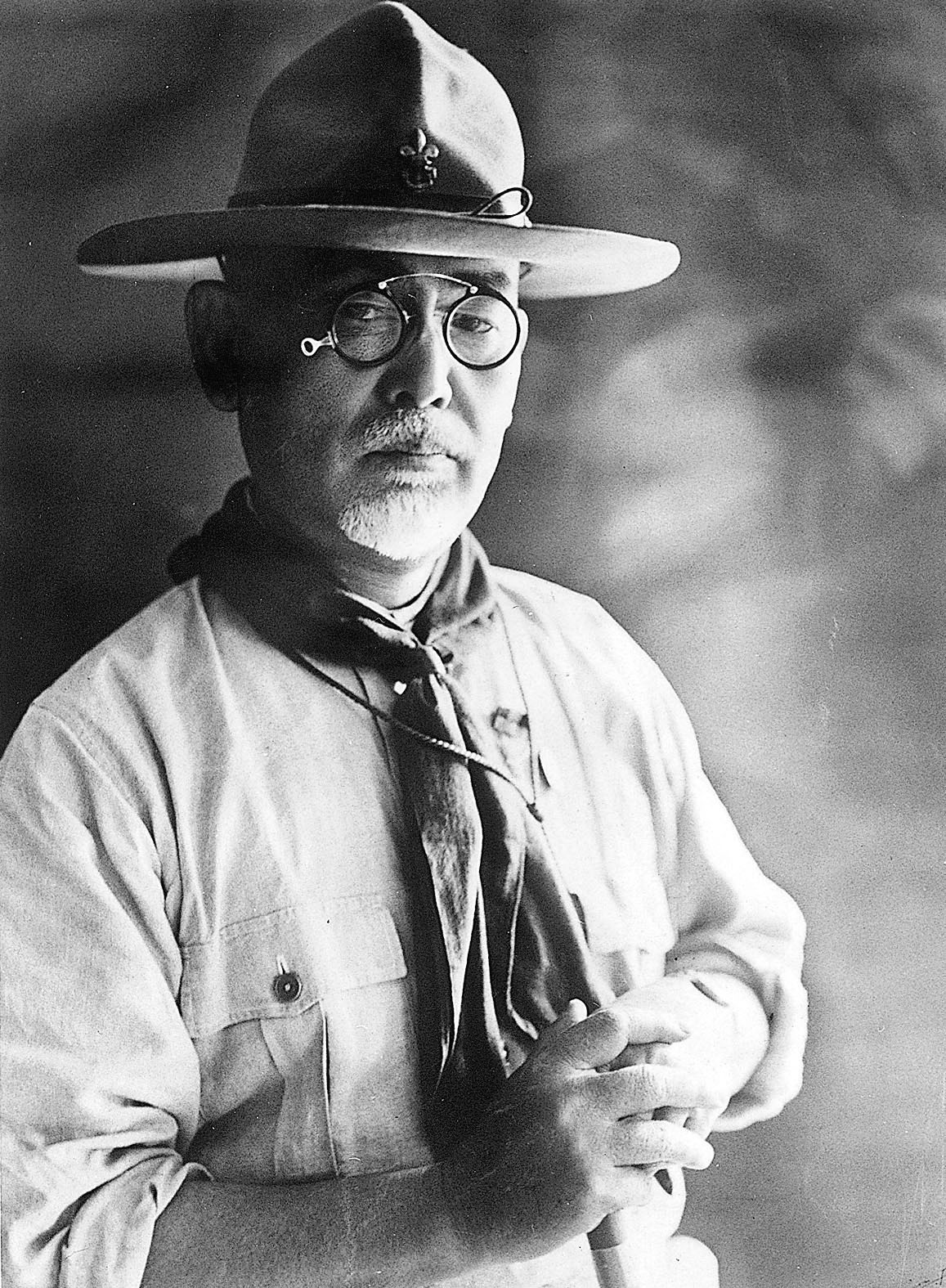
Shinpei Goto Boy Scout -
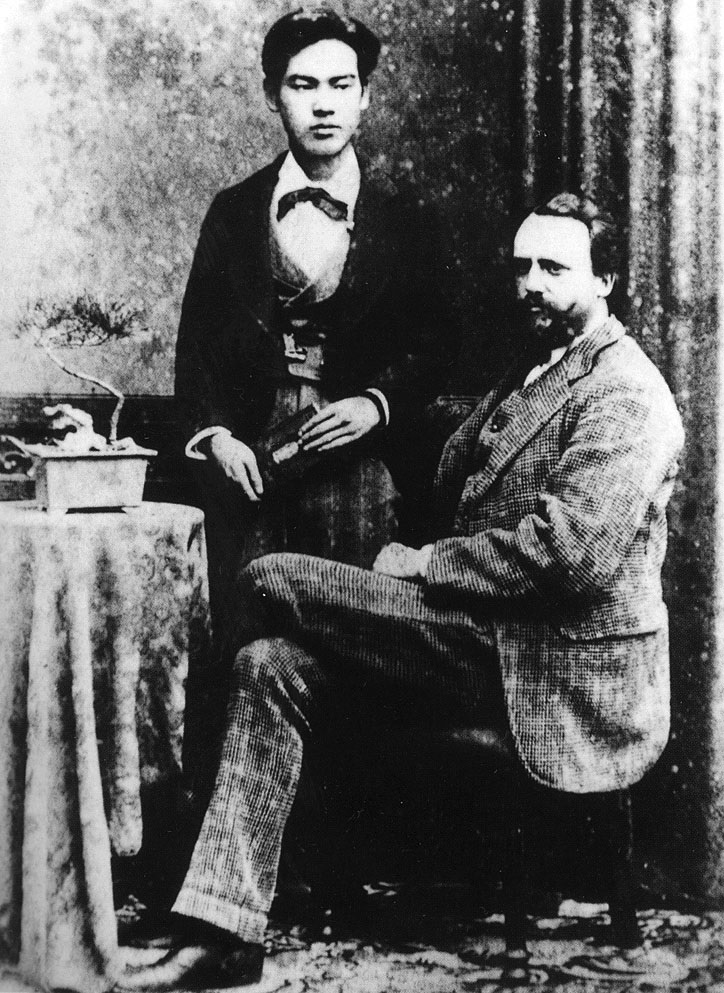
3rd year of junior high school -
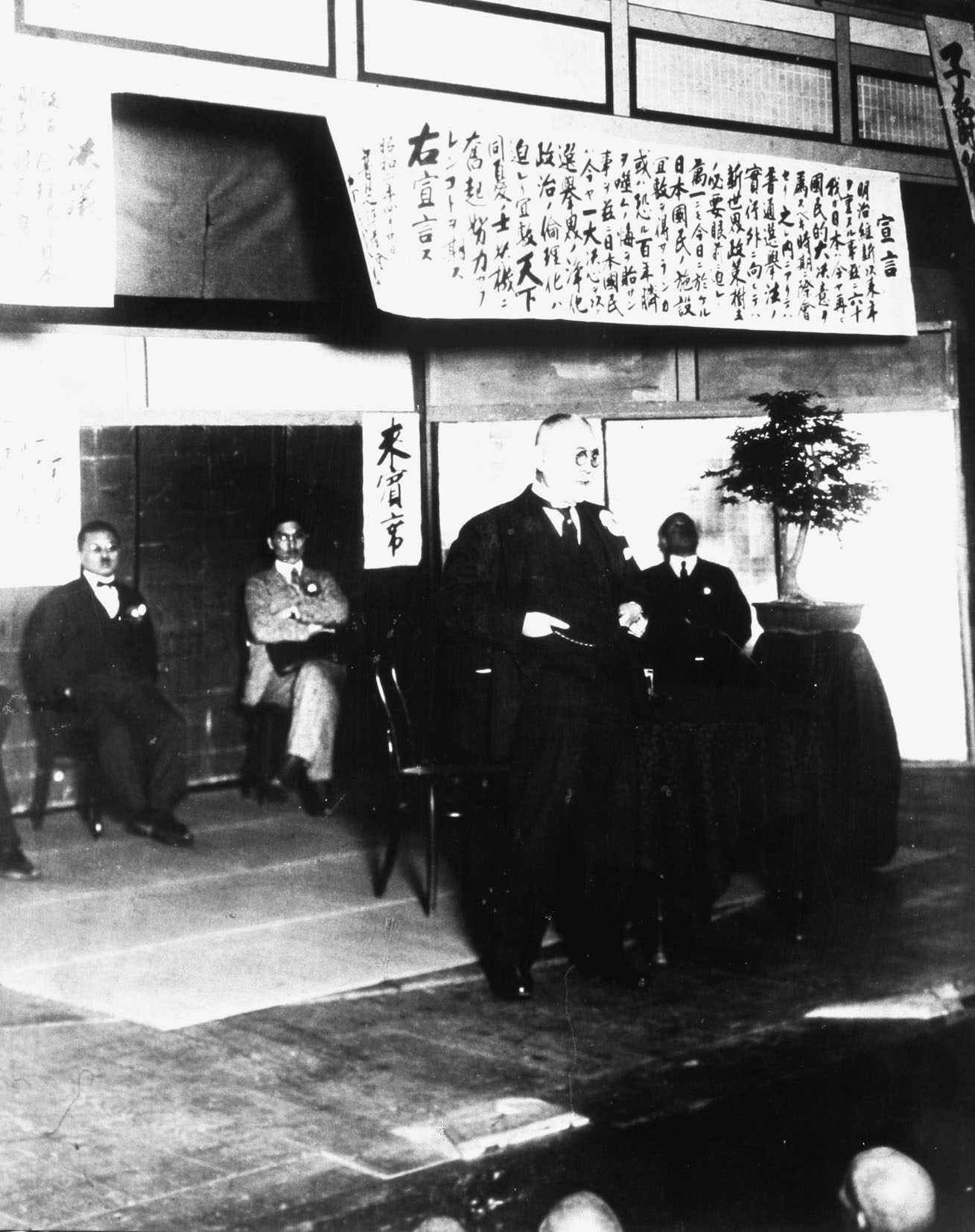
Goto Shinpei's speech -

Ethics of politics Knowledge of the imaginary world -
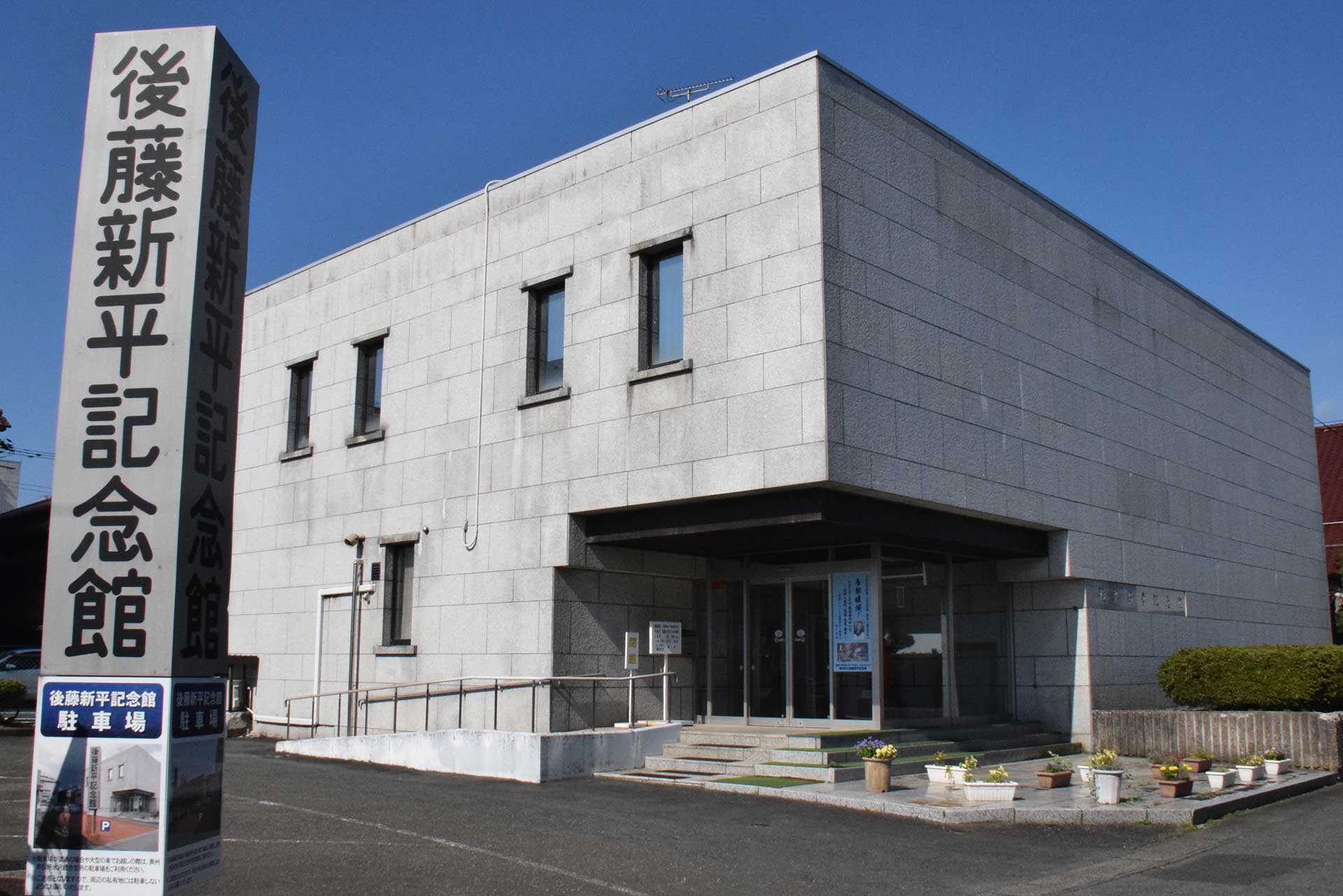
Goto Shinpei Memorial Museum
 台灣人
台灣人 English
 한국어
한국어 中文
中文 日本語
日本語