


▼
Makoto Saito Memorial Museum / Former Residence
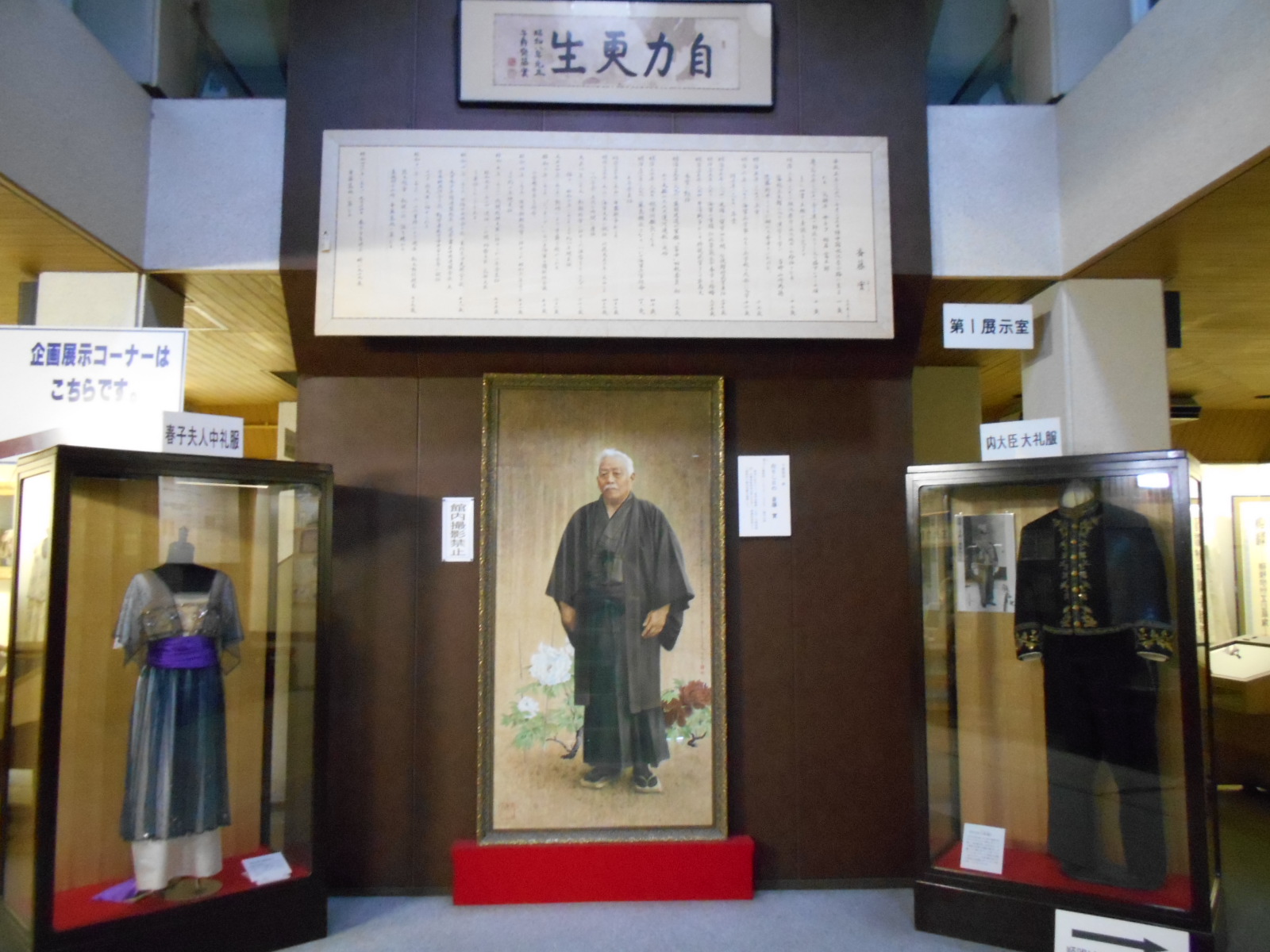
This site is the former residence of Makoto Saito. In 1932, after resigning as the Governor-General of Korea, Saito built a library and a reading room for the people of his hometown. The library is a two-story reinforced concrete building, while the reading room (on the south side) was of a Japanese style. There is also a Western-style room in which Makoto stayed during his visits to his hometown. In 1963, the property, the old house, the library, and numerous personal belongings were donated to Mizusawa City (now Oshu City) by the surviving family. In 1975, the Makoto Saito Memorial Hall was opened with the completion of the exhibition hall.
Makoto was born on 27 October 1858, into the Saito family, which served as a vassal to the Mizusawa-Date clan. From a young age, he received strict guidance from his father, who was also a master at the local temple school. It is said that at the age of 10, he had completed the sodoku of the “Four Books and Five Classics,” which is considered difficult even for adults to read. (Sodoku is the practice of reading a text aloud without trying to understand it.)
At the age of 15, he moved to Tokyo and, while working, devoted himself to his studies. The following year, he enrolled in the Imperial Japanese Naval Academy. Six years later, he graduated with excellent grades and, at the age of 27, went to the United States to study for four years. During his time in the United States, and while on inspection tours in Europe, he learned about international affairs and honed his international perspective. At the age of 41, he was appointed as the Vice Minister of the Navy, setting him on the path of a military politician. He served as the Minister of the Navy for approximately eight years starting at the age of 49 after the Russo-Japanese War. Afterward, Prime Minister Takashi Hara, who was also from Iwate Prefecture, entrusted him with the position of Governor-General of Korea. Although he faced numerous challenges soon after taking office, he strived for over a decade to promote civil rule and ensure the stability of the people's livelihood.
In 1932, in the aftermath of the May 15 Incident in which Prime Minister Inukai was assassinated, Makoto, a retired Admiral known for his moderate personality, was appointed Prime Minister at the age of 75. In order to mitigate conflicts between political parties, Makoto formed a national unity cabinet (a coalition cabinet) and worked diligently to find solutions to various issues.
Makoto cherished the spirit of Taisho Democracy and international cooperation and endeavored to serve as a bulwark against the rising tide of fascism and militarism at the time. However, in 1936, the year following his appointment as Interior Minister, he was
Makoto was born on 27 October 1858, into the Saito family, which served as a vassal to the Mizusawa-Date clan. From a young age, he received strict guidance from his father, who was also a master at the local temple school. It is said that at the age of 10, he had completed the sodoku of the “Four Books and Five Classics,” which is considered difficult even for adults to read. (Sodoku is the practice of reading a text aloud without trying to understand it.)
At the age of 15, he moved to Tokyo and, while working, devoted himself to his studies. The following year, he enrolled in the Imperial Japanese Naval Academy. Six years later, he graduated with excellent grades and, at the age of 27, went to the United States to study for four years. During his time in the United States, and while on inspection tours in Europe, he learned about international affairs and honed his international perspective. At the age of 41, he was appointed as the Vice Minister of the Navy, setting him on the path of a military politician. He served as the Minister of the Navy for approximately eight years starting at the age of 49 after the Russo-Japanese War. Afterward, Prime Minister Takashi Hara, who was also from Iwate Prefecture, entrusted him with the position of Governor-General of Korea. Although he faced numerous challenges soon after taking office, he strived for over a decade to promote civil rule and ensure the stability of the people's livelihood.
In 1932, in the aftermath of the May 15 Incident in which Prime Minister Inukai was assassinated, Makoto, a retired Admiral known for his moderate personality, was appointed Prime Minister at the age of 75. In order to mitigate conflicts between political parties, Makoto formed a national unity cabinet (a coalition cabinet) and worked diligently to find solutions to various issues.
Makoto cherished the spirit of Taisho Democracy and international cooperation and endeavored to serve as a bulwark against the rising tide of fascism and militarism at the time. However, in 1936, the year following his appointment as Interior Minister, he was
Materials
-
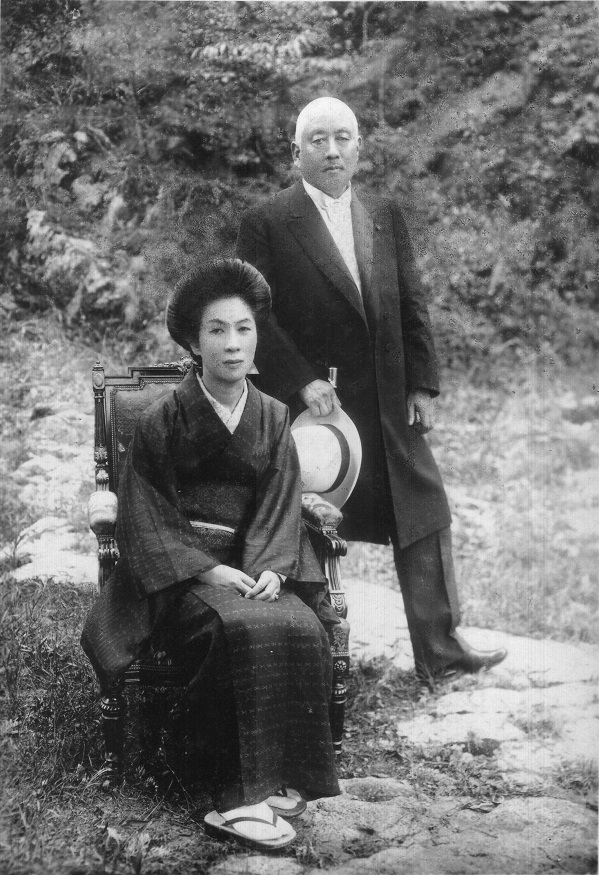
Mr. and Mrs. Saito (Governor of Korea)) -
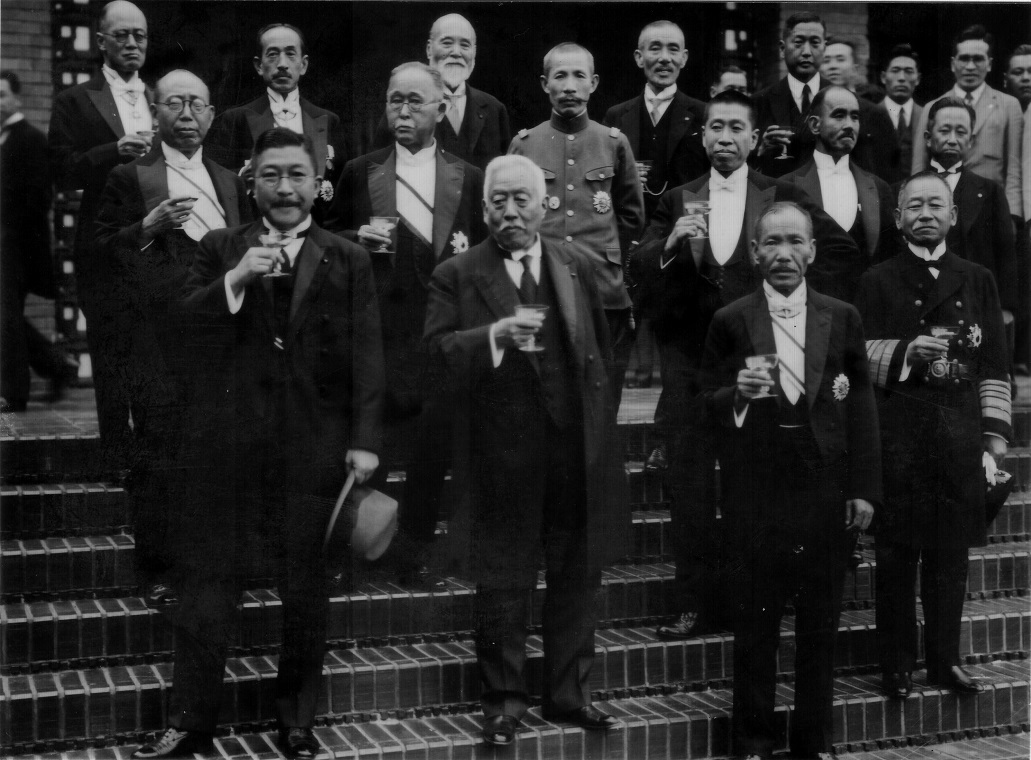
Saito Cabinet -
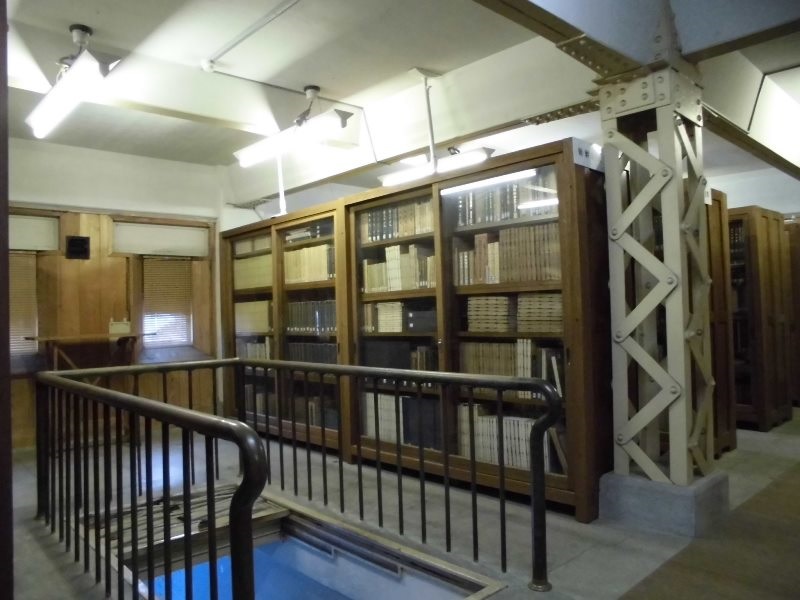
archive
 台灣人
台灣人 English
 한국어
한국어 中文
中文 日本語
日本語